
Ghosts and Angels: What Therapy Helps You Uncover
What if the painful stories that follow you aren't the only ones worth finding? An exploration of ghosts, angels, and what therapy helps you uncover.
By Janeth Nuñez del Prado, LCSW | Desert Bloom Psychology & Consulting.
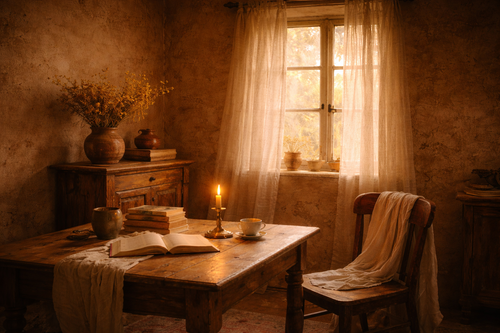
THE GHOSTS IN THE NURSERY
There is a concept in infant mental health that has never left me.
Selma Fraiberg, a child psychoanalyst and social worker whose work continues to shape trauma-informed practice, described what she called ghosts in the nursery — the uninvited presence of a parent's own unresolved pain showing up in the room where their child sleeps. Not intentionally. Not consciously. But there, nonetheless. Shaping how they respond to a cry, how they hold — or do not hold — their baby. How the past, unnamed and unexamined, moves through a person's hands into the next generation.
I learned this framework during my training at the UCSF Child Trauma Research Center, under the mentorship of Dr. Alicia Lieberman and Dr. Patricia Van Horn. And it marked me. Because it named something I had already felt to be true — that what we have not grieved, we often repeat.
THE ANGELS
But Fraiberg's framework was later extended in a direction that moved me just as deeply. Lieberman and her colleagues wrote about what they called angels in the nursery — memories of being deeply understood, accepted, and loved. Moments, however small or fleeting, when a child felt safe in the arms of another person.
These memories, they argued, are not merely sentimental. They are protective. They are the counterweight to the ghosts. And they can be recovered — or even newly created — in the course of healing.
I watched this happen. Sitting with parents in the early stages of treatment, I would ask about their angels. Often, the room would go quiet. They could not find a single moment. Not one clear memory of feeling safe, seen, held by someone who meant it. The absence itself told a story.
And then, over months of work — through play, through the body, through the slow accumulation of trust — something would shift. A memory would surface, quiet and unexpected, like light finding a crack. A grandmother's hands. A teacher who said your name like it mattered. A moment in a kitchen that smelled like something warm.
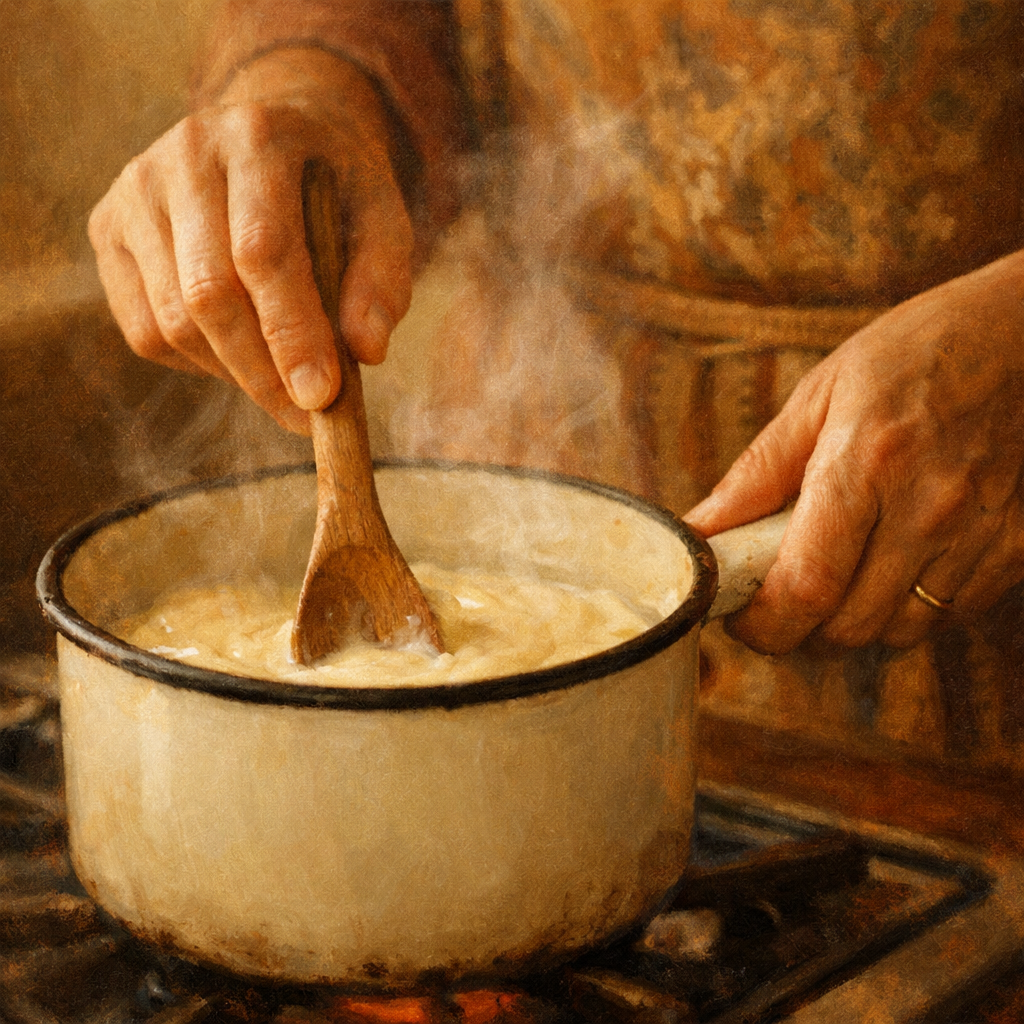
These had always been there, waiting beneath the weight of the louder memories, the more painful ones. The work of healing had made room for them.
And something else happened too. As parents began creating new moments of safety and delight with their own children — as they held and were held, as they played and were surprised by joy — they were, in some deep and embodied way, also healing the child they had once been.
The angel memories from the past were remembered in the present— and were also being newly created in the course of healing.
THE GHOSTS THAT FOLLOW US INTO ADULTHOOD
I carry this with me now in my individual work with adults.
People come to therapy haunted. Often they do not recognize that the ghost is in fact a ghost, they have come to believe that what the ghost whispers is the truth.
Sometimes the whisper arrives as a feeling that they are fundamentally unlovable, or that safety is not something meant for them, or that asking for too much will cost them everything. These are the ghosts. Moving quietly through decisions, relationships, the way a person shrinks in a room or apologizes before they have done anything wrong.
My role is to help name them. Because what remains unnamed does not disappear — it goes underground and continues to guide behavior from the dark. Fraiberg understood this. Acknowledgment alone is not enough to resolve trauma, but it is necessary. The ghost must be seen before it can begin to lose its grip.
TURNING THE MIRROR TOWARD THE LIGHT
But I also hold up a different kind of mirror.
I think of the mirror in the Haunted Mansion — the one that shows you the ghosts riding alongside you, grinning. My work is something like that, but turned in another direction. I reflect back the ghosts, yes. And I also turn the mirror toward the light. I help people see what else is there: a quiet inner knowing they have dismissed as coincidence, a resilience they have never given themselves credit for, a lineage that carried more beauty than they were taught to see.
The ancestors were not only the ones who wounded you. Some of them loved fiercely, survived impossible things, held onto something worth passing down. And the beauty of the world — the particular light on the desert at dusk, the way your child laughs, the smell of rain on dry earth — that beauty is also part of what surrounds you. It is not naive to let it in. It is, in fact, a radical act. What you seek, you will find. And we can learn to seek more than evidence for what we already fear.

SLOW WORK
This is slow work. It asks something of both of us.
But I have watched people who could not name a single moment of childhood safety come, over time, to feel the warmth of something they had forgotten they were allowed to have. And I have watched them begin to create that warmth for themselves — in their relationships, in their choices, in the small ordinary moments they once moved through without noticing.
The ghosts don't always leave entirely. But the angels, once found, do not leave either.
A gentle invitation
If you find yourself haunted by old stories, painful beliefs, or the sense that safety is not fully available to you, perhaps you can begin by becoming curious about what else has been there.
The moments of warmth. The people who helped you feel seen. The places, rituals, memories, and ordinary experiences that reminded your body — even briefly — that you were safe.
Sometimes healing begins when we learn to notice what trauma taught us to overlook.
If this piece resonated with you, subscribe to Desert Bloom Reflections for essays on healing and clinical practice, along with updates about upcoming trainings.
