
Following the Angel Threads
By Janeth Nuñez del Prado, LCSW | Desert Bloom Psychology & Consulting.
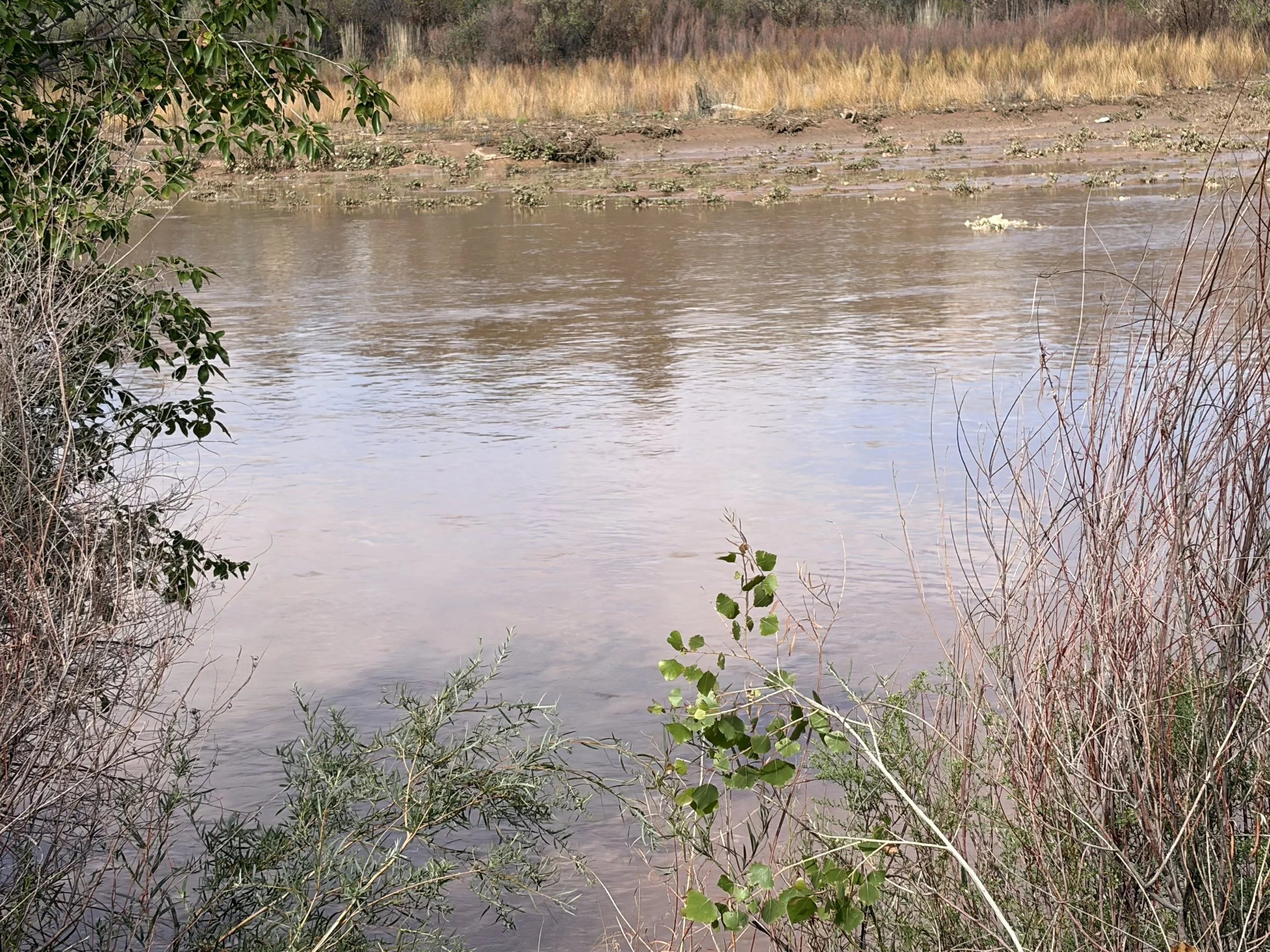
The Rio Grande after the rains, Albuquerque, New Mexico. September 2026.
Nearly fifteen years ago, during my training in Child-Parent Psychotherapy at UCSF, I was introduced to the work of Alicia Lieberman and her colleagues on what they called “Angels in the Nursery”—memories of being understood, accepted, protected, and loved. Moments, however small or fleeting, when a child felt safe in the presence of another person. These memories can serve as a counterweight to what Selma Fraiberg famously called the “Ghosts in the Nursery”: the ways unresolved painful experiences from our own childhoods can return in our relationships with our own children.
The Angels Interview itself is remarkably brief—only about four questions, inviting parents to remember these experiences from their own childhoods. I was introduced to it during my work and training at UCSF, and I have carried it with me ever since.
Over the past fifteen years, through my work with children, parents, and adults with histories of complex trauma, I have continued to think about what these memories might hold. I began expanding the interview, drawing from what clinical practice, attachment theory, trauma work, and Motivational Interviewing have taught me about listening. I also began wondering what might happen if we opened the interview beyond parenthood—if we explored how these memories live in adults whether or not they have children, and how they might shape the ways we love, care for, teach, help, and relate to others.
Eventually, this became my clinical interview: Following the Angel Threads.
Over the last month, I have invited volunteers—friends, family, therapists, and others in my network—to sit with me and allow me to record the interview. I began this project thinking I was piloting and field-testing it. I wanted to listen carefully to the questions: which ones opened something, which ones fell flat, where people naturally went, and what I might be missing.
Instead, it has become one of the most meaningful projects of my life. The interviews are producing more ideas than I want to name too quickly. Borrowing Virginia Woolf’s image of ideas ripening like apples on a tree, I can see some of them beginning to take shape. I do not want to pick them too soon. For now, I will share with you one of the lessons that is beginning to emerge.
Painful Memories and Angel Moments Often Arrive Together
Trauma, grief, instability, illness, loss, and what I call “angel moments” have appeared side by side in most of these interviews. The opening question deliberately asks for a memory associated with an experience of feeling cared for, understood, protected, safe, accepted, or like one belonged. It does not ask for a “positive” or “happy” childhood memory—this would flatten the complexity of these memories. That openness seems to leave room for memories in which beauty and pain are layered together.
I think attachment theory partly helps us understand why. During experiences of fear, illness, separation, transition, or distress, what Bowlby called the “attachment system” becomes activated—the child’s need for closeness, comfort, and protection. When the world feels frightening or uncertain, the need for a trusted caregiver to come close and provide security becomes powerful. The moment that frightened the child may also be the moment when someone came close, understood what was needed, and helped them feel safe again.
There is something here that I think can offer parents and caregivers some comfort. These moments that stay with us into adulthood—the ones that fill our reservoirs and leave us with reserves we can pull from during times of drought—do not come from perfect childhoods (as if such a thing existed). In nearly all of these interviews, they have emerged alongside profound pain.
Perhaps some of the beauty of these memories comes from that very fact. We cannot protect the next generation from the heartbreak and pain the world will bring them. But we can teach them something about what happens when it arrives. We can come close to them, listen, take seriously what matters to them, sit beside them, feed them, hold them in front of a crackling campfire, tend to the beloved stuffed animal who is so much more than a toy in their eyes, or remind them that they are stronger than they know.
And over time, these moments become part of what they carry with them: When pain comes, lean toward the people who love you. You do not have to face it alone. You were never meant to.
These interviews are continuing to teach me about what sustains us as adults. In these conversations, I have become, as one participant so beautifully put it, “a sacred witness.” A witness to the light that lives inside all of us—a light that did not begin with us, and is already lighting the path for those who follow.
I am incredibly grateful to the volunteers who have trusted me with some of their most treasured memories. Sharing something so precious with a stranger is a vulnerable thing to do. I promise to continue to treat these memories with the respect and awe they deserve.
With each conversation, Following the Angel Threads feels more alive to me—less like an interview I designed and more like something that still has so much to teach me. It continues to bring me to questions I did not know to ask. For now, I am listening closely. I look forward to sharing more of what emerges.
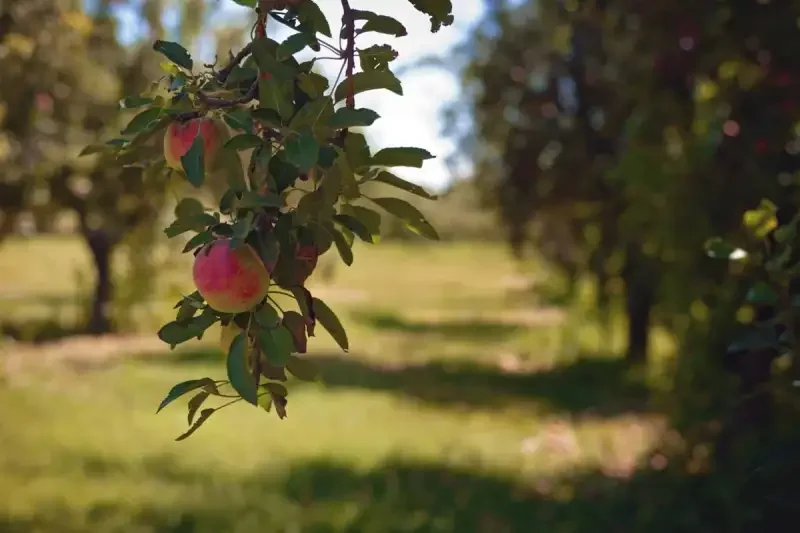
Come Into the Orchard
For clinicians who would like to explore this work with me, I’ll be teaching Ghosts & Angels in the Nursery this October, both in person in Albuquerque and virtually. We’ll explore how experiences from the past become active in our relationships in the present, and how Motivational Interviewing can help us approach these histories with curiosity, cultural humility, and respect for autonomy.
I’ll share excerpts from the recorded Following the Angel Threads interviews. Together, we’ll practice listening for what opens, what needs more time, which threads to follow, and how to offer reflections that deepen the exploration while leaving the meaning in the hands of the person telling the story. We’ll explore how memories of care can guide treatment and support healing from complex trauma.
We’ll also explore culture, family loyalty, grief, avoidance, and attachment, as well as the ways our own histories as helpers shape what we hear—and what we may feel pulled to fix or change. We’ll consider what these memories can teach us about how a client experiences safety, love, belonging, protection, and being understood, and how that knowledge can inform the therapeutic relationship and the work of healing.
Throughout the training, we’ll return to the questions at the heart of this project for me: What do we inherit? What do we carry? What do we want to pass on?
I would love to have you in the orchard with me.
Register: desertbloompsych.com/trainings
This piece is intended for informational purposes and is not a substitute for individualized mental health care. Clients have been de-identified to protect confidentiality.
Stay with the conversation
If this piece resonated with you, subscribe to Desert Bloom Reflections for essays on healing and clinical practice, along with updates about upcoming trainings.