Rituals and Rites of Passage: Why We Still Need Them
We instinctively create rituals for children: bedtime stories, birthday candles, kisses for scraped knees. But what happens when adults cross life-changing thresholds with no ritual to mark them?
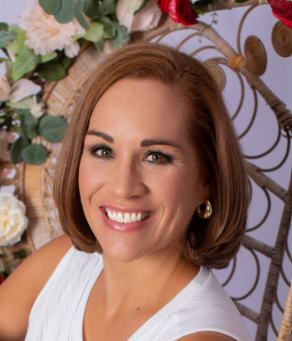
By Janeth Nuñez del Prado, LCSW | Desert Bloom Psychology & Consulting.
The Familiar Sequence
I was at the gym, moving through a workout routine I have done many times, after a period of significant life disruption.
Something about the familiar sequence was regulating. My body knew where it was. The rhythm was recognizable. I had done this before and I would do it again — and in that repetition, something in my nervous system exhaled.
I started thinking about how many rituals exist in my own life that I don't typically call rituals. The morning coffee in the same spot. The dinner table. The run through the bosque. The way I always pause before beginning a session and remember what my client shared with me the last time we met.
And then I started wondering: what exactly is a ritual? What do rituals do? When did we stop offering them to adults — and why?
The Rituals We Overlook
Anthropologists define rituals as liminal events — threshold experiences that mark a socially recognized transition. Van Gennep described the structure as separation, transition, and incorporation. You enter as one version of yourself and emerge changed.
We tend to think of rituals as the big things. Religious ceremonies. Weddings. Funerals.
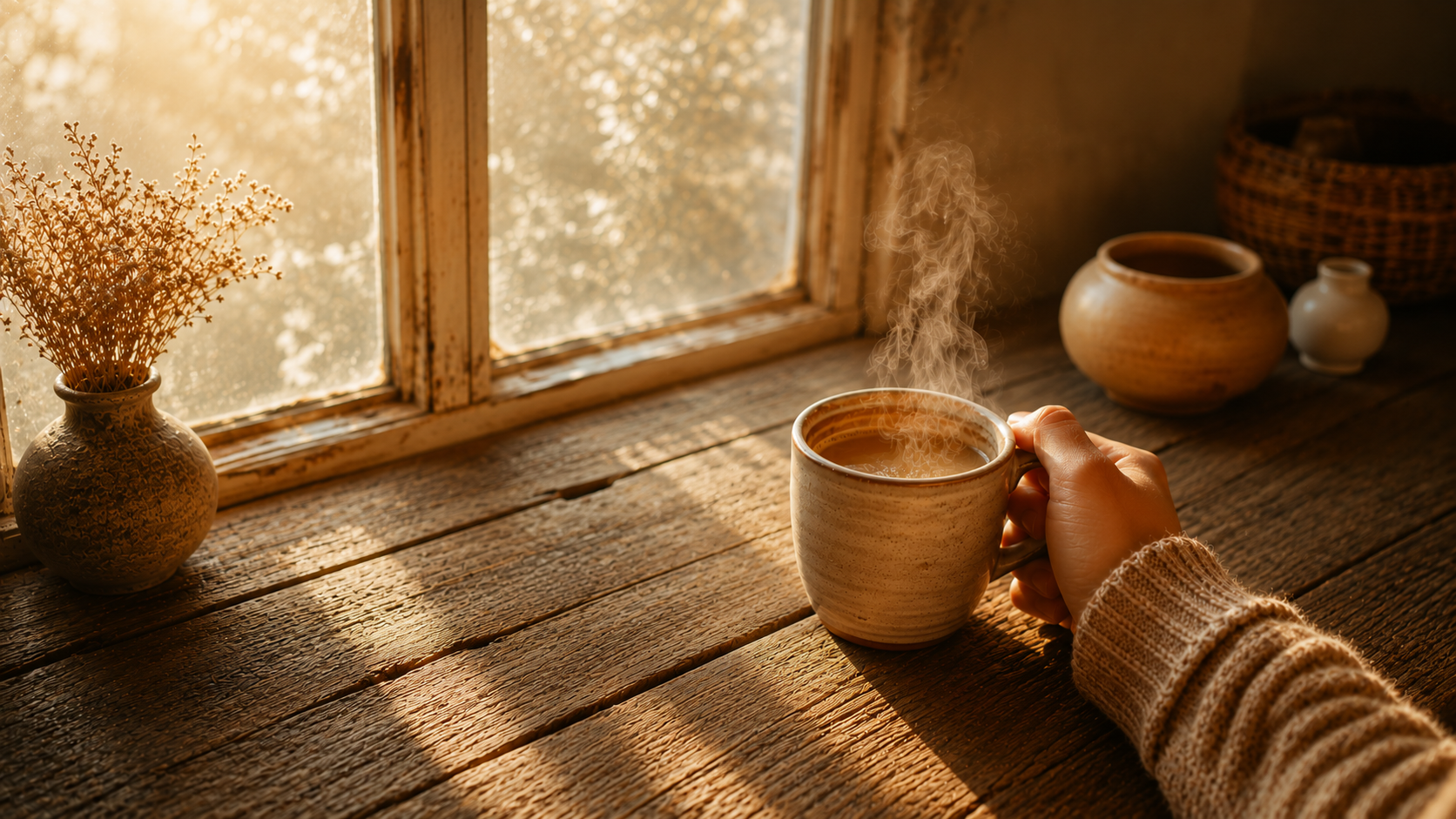
But many rituals are small and ordinary. Repeated. Meaningful. Shared. Grounding. Even drinking coffee in the same place each morning can be a ritual — a transition between states, a preparation of the self for what the day requires.
Ordinary anchors keep us tethered. Rituals remind us who we are becoming. The morning coffee can be both. (For more on ordinary anchors, read: Ordinary Anchors: What Keeps You Here When Everything Feels in Motion (https://www.desertbloompsych.com/blog/ordinaryanchors)
How Values Are Passed Down
Growing up, both of my parents worked incredibly hard. They loved us deeply. But family dinners were not a major part of our family culture. We often ate separately. TV dinners were common. Schedules dictated meals.
In my own family now, we have dinner together every night. Some nights dinner is elaborate. Other nights our children are eating cereal while my husband and I have smoothies. The meal changes, but the ritual remains. Before we eat, everyone shares one thing they are grateful for.
What strikes me most is that the ritual now belongs to the children. If we forget, our six-year-old son reminds us: “Oh no, we forgot gratitude!”
At some point it stopped being something we imposed and became something internalized — part of our family identity, something felt as needed. The gratitude ranges from profound — especially what comes from my nine-year-old daughter, who has a way of naming things that stops me — to entirely ordinary. A moment of shared connection with a new friend. A snack they liked. A good day that didn't announce itself as significant. It is not the content that matters. It is the coming together and marking a transition from the outside world to the internal world of family and the safety of home.
Rituals may be one of the primary ways values get transmitted across generations. Not through instruction. Through repetition. The child who reminds you you've forgotten is the child who has made the value their own.
Besos, Candles, And Bedtime Stories
Every culture, every family, every childhood is held together by small repeated gestures so ordinary they are almost invisible, so necessary we built them in without being told to.
In Bolivia, a child falls and someone kneels close, rubs the wound, and says sana sana, colita de rana. The pain is witnessed before it is even fully felt. In New Mexico, an ouchie gets kissed. Somewhere a candle gets blown out over a birthday wish. A tooth disappears in the night and something small and magical appears in its place. A bedtime story gets told in front of a nightlight. The front door gets photographed on the first day of school, year after year, until the child is nearly grown and the parent is the one who needs the ritual most.
We seem to understand, without being told, that children need them. Rituals help children feel safe, connected, comforted, seen, accompanied, and prepared for transitions. The kissing of the boo boo does not magically make it better — but it allows the child to see that the pain is witnessed and tended to. And it allows the parent to feel a sense of agency in a moment when we often feel helpless. The ritual holds both purposes simultaneously.
In some cultures, ritual marks transition with the whole body and the whole community. Firewalking — practiced across Hindu traditions, Shinto ceremonies in Japan, and indigenous communities in the Pacific Islands — is one of the most documented examples. The walker crosses fire and comes out changed. The community witnesses. Anthropologist Dimitris Xygalatas found that the heart rates of firewalkers and their watching family members synchronize during the walk — the body and the witness bonded through the ritual. You walk in as one version of yourself. You walk out as another.
We culturally recognize the magic of rituals. We build them into childhood and into our most sacred ceremonies. And then, quietly, we stop.
When Do We Stop?
We don't ask our friends or partners to kiss an ouchie. We take an aspirin and move on. We don't create bedtime rituals for one another. We don't build many ceremonies around the ordinary and extraordinary transitions of adult life.
If rituals are so important for children, why do we stop offering them to adults?
Do adults stop needing them? Or do we simply stop creating them?
Does the gradual erasure of the magic of childhood bring with it the unintended consequence of losing our belief in the healing power of ritual in everyday life?
The Threshold No One Marks
Some of the biggest transitions in adult life occur with little or no ritual acknowledgment.
A miscarriage. The end of a marriage. The loss of a friendship that shaped you. A career left behind. The moment someone finally speaks the truth of who they love and how they feel inside. The end of a legal case that consumed years of a life. The quiet, courageous decision to begin healing from something that was never supposed to happen.
Each of these is a threshold event in every anthropological sense. Something is left behind. Something new is entered. The person who emerges is not the same as the one who went in — and they know it, even when the world around them acts as though not much has changed.
And yet we are often expected to simply move on. Unaccompanied. Without ceremony. Without the ritualized water to reflect back to us who we now are inside, or who we are becoming.
No one kneels close and says sana sana. No candle gets blown out. No photograph gets taken at the threshold.
We simply step through — and keep walking.
The Resurrection Plant
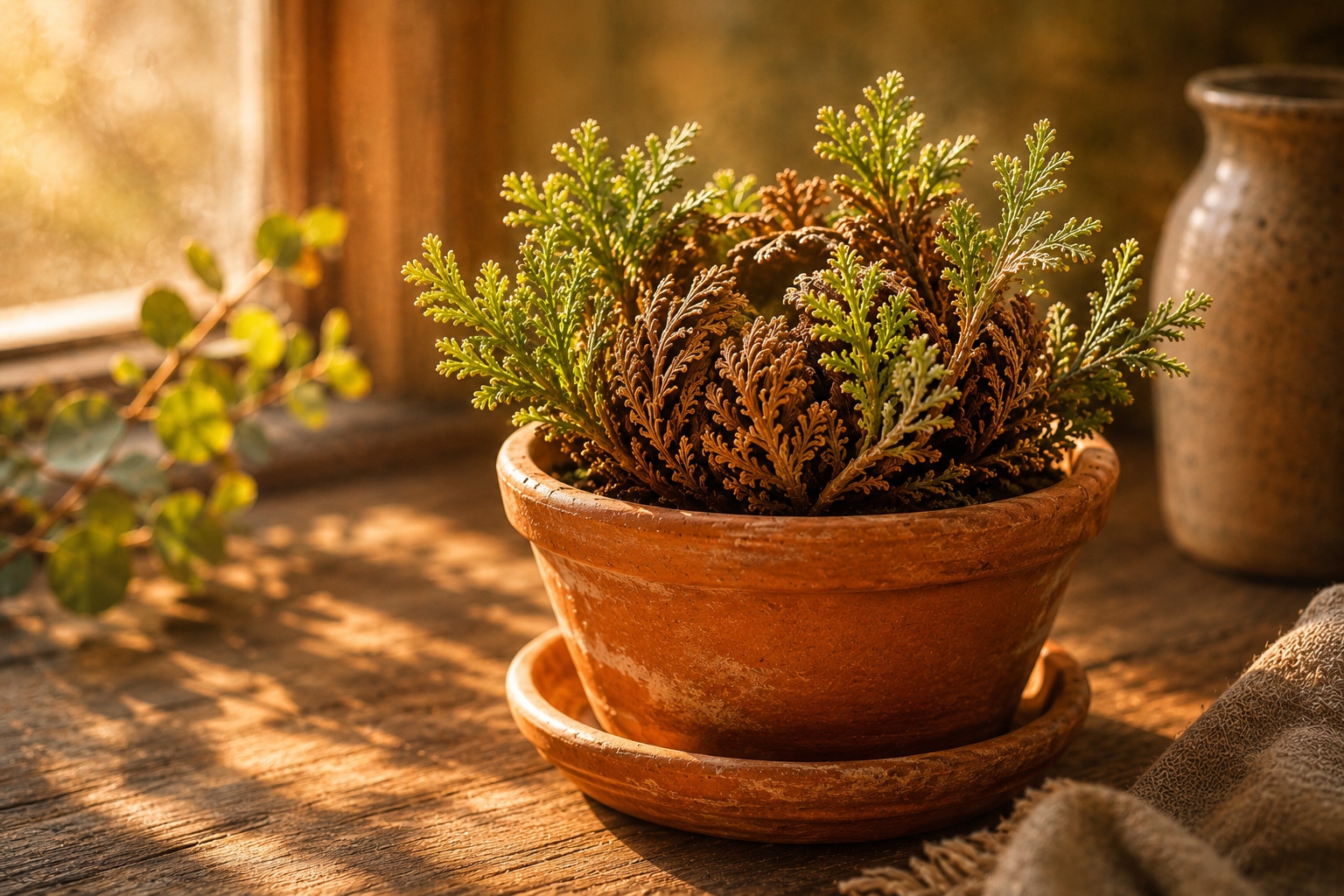
When I end a course of therapy with a client, I give them a resurrection plant and a handwritten note.
It began as a small gesture. It has become a ritual I believe in.
The end of therapy is not always a triumphant moment. Sometimes it is survival — a person who came in barely holding on and leaves with more room to breathe. Sometimes it is recognizing the parts of us that helped us survive and are no longer needed. Sometimes it is simply acknowledging that something has shifted, even if the shifting is quiet and incomplete and still in process.
Therapy is designed to accompany people through thresholds. But the threshold of ending — the goodbye itself — often goes unmarked. We do the work together, and then one day the work is done, and the person walks out the door and back into their life.
I try to mark that.
The plant is a resurrection plant — the kind that appears dead, curled and dry, and then opens completely when given water. I chose it deliberately. I give it with a note that is written for that specific person, that specific journey, that specific threshold they have just crossed.
It says: I saw what you went through and the work you did to heal. This chapter mattered. There is a version of you on the other side of this that you have not yet met — and I want you to meet them too. Water the plant. Watch what opens.
The resurrection plant is an adult ritual. A rite of passage for a transition that had none. It only works because someone gives it and someone receives it. The witness is part of the medicine.
Something In Us Remembers
Rituals are not primarily cognitive events. They are more ancient than cognition — cross-species, somatic, older than language itself. Long before we had words for what we were doing, we were doing it. Marking. Repeating. Returning. The body has always known that meaning needs a container.
We simply forgot to keep offering that to ourselves.
And yet something in us remembers. People create rituals without calling them rituals — quietly, instinctively, the way the body finds water.
I run through the bosque, along the same path, and I think of the baby girl I lost. The connection we share continues in that movement — in the cottonwoods, the Rio Grande, the particular quality of light at that hour. It is not grief exactly. It is being with. It is the ritual I created without a name for it.
Others sit each evening in front of an altar and let the feelings come without rushing them. Someone holds a smooth stone in their pocket before walking into a difficult room — just to feel that they are accompanied. Someone returns to the same recipe, the same picture, the same walk, after a period of disruption, because the body needs to remember that continuity exists.
These are rituals. They may not look like firewalking or a wedding ceremony or sana sana. But they are doing the same work — marking, witnessing, holding the self through a threshold. Many of them are so ordinary we have stopped recognizing them as the sacred acts they are.
The body is wise. Something in us keeps building containers for meaning even when we have no name for what we are building. This is what it means to make meaning — not to explain what happened, but to mark it.
The Body Before the Mind
There is a long tradition in therapy that honors the cognitive work. The reframe. The new narrative. The changed relationship with a thought that has been running the show for years. That tradition is real, it has changed lives, and it deserves to be honored.
But it is not the only form of healing. And for many people — perhaps most people, across most of human history — it is not the primary one.
Rituals do not ask us to think differently. They ask us to mark something somatically. To stand at the threshold and say with the body what the mind has not yet found words for: I was here. This happened. I am not who I was before.
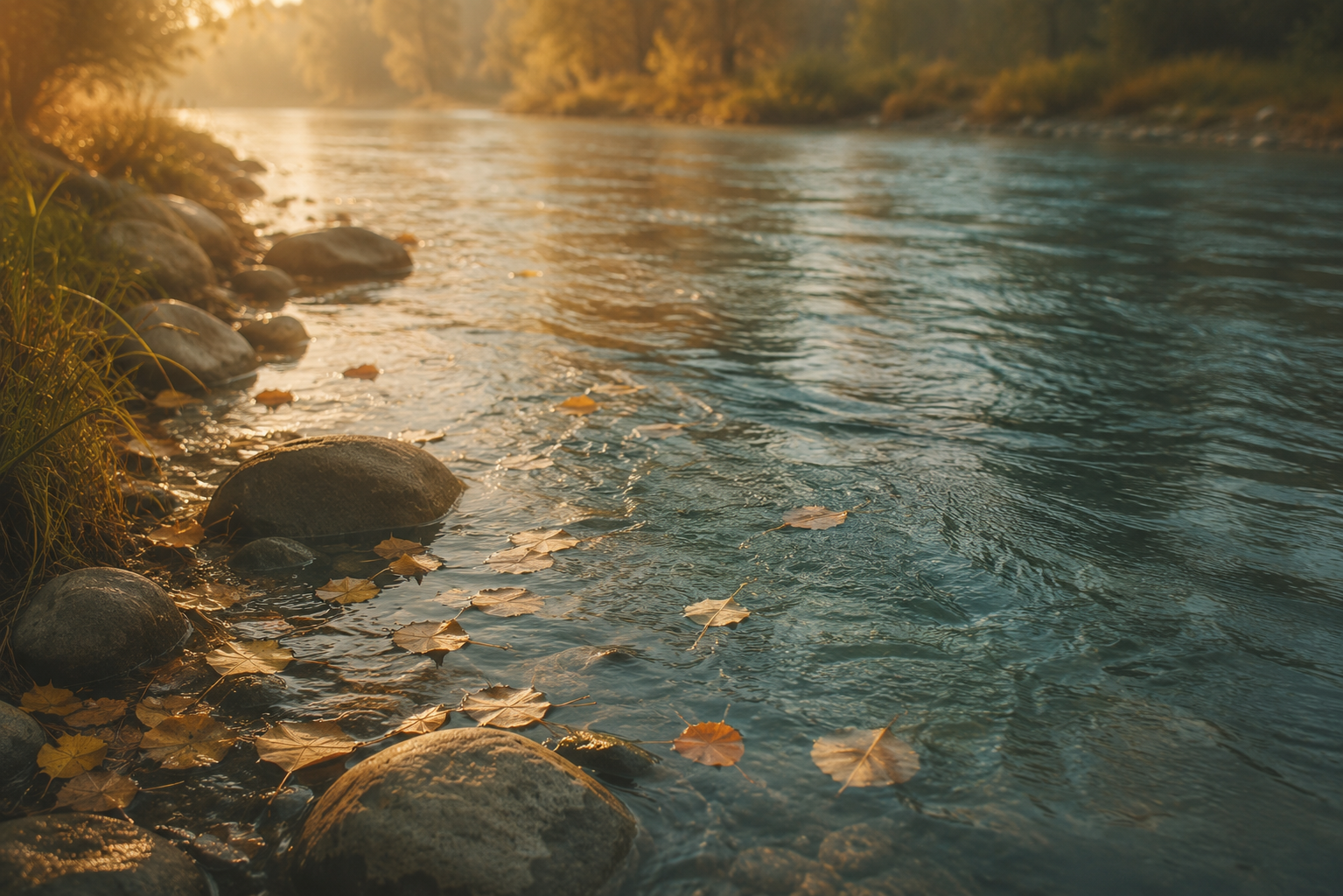
Jung understood that water holds two distinct medicines. Still water offers reflection — the unconscious showing us what lies beneath the surface when we are finally quiet enough to look. Moving water offers transformation — something carried away, something worn smooth, the self becoming something it was not before. I stood at a waterfall recently and felt the difference before I had a name for it. The water was doing something. I let it.
That is what ritual does. It speaks to the body before it speaks to the mind. It says: something is happening here that is larger than your thoughts about it. Be present. Be changed. Let this mean something.
Sometimes that looks like going into the water. Sometimes it looks like a plant handed across a desk with a note that says: I see you. Sometimes it looks like a family sitting down together at the end of the day, remembering before they eat that there is always something worth being grateful for.
The forms are endless. The need and function are the same.
Something happened here.
This mattered.
I am not exactly the same person I was before — nor should I be.
A gentle invitation
I want to leave you with a few questions — not to answer right now, but to carry the way you might carry a stone in your pocket before a difficult room. Let them find you when you are not looking for them.
What rituals have you intentionally created in your own life? Which ones arrived without your noticing — the ones you only recognized as rituals when you imagined losing them?
What transitions in your life were held by ceremony, by witness, by someone kneeling close? And which ones asked you to simply step through and keep walking — unaccompanied, unmarked?
What would it look like to offer yourself the same symbolic care you so naturally offer a child with a boo boo or a birthday wish? What would your own rite of passage look like?
You don't have to cross fire.
Sometimes the ritual is a walk through the bosque at the same hour. A plant placed on a windowsill with intention. A shared cup of tea with someone who knows what this year has held. A gratitude said out loud before the cereal gets soggy — small and ordinary and entirely enough.
If you are in a transition that has had no witness — someone to kneel close, to say: I see that something happened in you, this mattered, you are not the same — reach out. That is part of the work too.
This piece is intended for informational purposes and is not a substitute for individualized mental health care.
Stay with the conversation
If this piece resonated with you, subscribe to Desert Bloom Reflections for essays on healing and clinical practice, along with updates about upcoming trainings.